
REVIEW · MOROCCO
12 Days Private Luxury Sightseeing Tour in Morocco
A 12-day loop that moves fast, but feels relaxed. What makes this Morocco luxury tour work is the mix of private logistics and comfort, with air-conditioned driving plus a dedicated guide to keep you from wasting time. You’ll sleep in high-end accommodations, including one night in a Berber-style luxury nomad tent in the desert.
Two things I really like are the nonstop convenience of a private vehicle with a permanent guide and the way the itinerary links big sights with smaller, hands-on moments. You’ll get Medina walking in Fez with a dedicated guide, then swing to camel sunset in Merzouga, and later slow down on the coast in Essaouira.
One consideration: entrance fees and meals add up. Many major stops have separate costs, and the tour also notes that drinks, lunches, and several dinners are not included.
In This Review
- Key highlights to know before you go
- Private Morocco, Point-to-Point Comfort on a 12-Day Luxury Route
- Day 1 in Casablanca: Hassan II Mosque and the Rick’s Café Option
- Day 2 in Meknes to Fez: Wine Country Farm Moments and the Royal Medina Stops
- Day 3 in Fez: Medina Labyrinth Time, Tannery Views, and Madrassa Art
- Day 4 in the Middle Atlas: Ifrane, Cedar Forests, and a Cheese-and-Honey Stop
- Day 5 toward Merzouga: Ziz Valley Views, Fossils at Erfoud, and Camel Sunset
- Day 6: Todra Gorges and Dadès Valley to Skoura Palms, Roses, and Oasis Living
- Day 7 on the Kasbah Route: Ouarzazate, Ait Ben Haddou, and Marrakech’s Jemaa el-Fna Dinner
- Day 8 Marrakech With a City Historian: Bahia Palace, Ben Youssef, Majorelle, and Koutoubia
- Day 9 Marrakech Free Time Plus Key Monuments: Saadian Tombs, Menara, Almoravid Koubba
- Days 10 and 11: Essaouira Coast for Argan and Fish, Then El Jadida’s Portuguese Cistern
- Price and Value: What You Really Get for $4,548.23 Per Person
- Should You Book This Private Luxury Morocco Tour?
Key highlights to know before you go
- Private group flexibility: it’s just your group, with guide time built around your pace
- Desert night in a luxury nomad tent: one full night adds real atmosphere, not just a quick stop
- Air-conditioned comfort during long driving days: helpful when you cover Casablanca to Fes and back toward the coast
- Fez medina time with a city-dedicated guide: you’re not just getting dropped in the maze
- Optional extras without pressure: you choose what to pay for, like medersa and palace entrances
- Coast day for argan and fish: Essaouira brings a different rhythm than inland Morocco
Private Morocco, Point-to-Point Comfort on a 12-Day Luxury Route
This is the kind of tour that makes sense if you want Morocco’s highlights without building a travel spreadsheet. A private setup means fewer delays, fewer awkward waiting games, and more control over what you want to linger on. You’re also dealing with a lot of ground in 12 days, so the air-conditioned private vehicle matters.
The tour is built around a full “big themes” circuit: imperial cities (Casablanca, Meknes, Fez), Atlas scenery (Ifrane and the Middle Atlas), the Sahara (Merzouga dunes plus camel time), then kasbah country and the red city (Marrakech). After that, you get a coastal reset in Essaouira and a Portuguese-flavored detour in El Jadida.
What you’re paying for at this price point is mostly the service layer. The included pickup and drop-off at Casablanca airport, the permanent guide, the comfort level of the sleeping places, and the desert overnight are the heavy hitters. Your job is simple: show up, be ready for daily plans, and decide which paid entrances you want to add.
Further into the private and premium end
- 7 Days Luxury Desert Tour From Casablanca to Marrakech via fez -Camel trekking
★ 5.0 · 146 reviews - 10 Days 9 Nights Luxury Tour of Morocco
★ 5.0 · 42 reviews - 8D Morocco Luxury Private Tour From Casablanca By Imperial Cities
★ 5.0 · 39 reviews - Morocco Top Trips: Luxury 10-Day Private Tour in Morocco
★ 5.0 · 36 reviews
Day 1 in Casablanca: Hassan II Mosque and the Rick’s Café Option
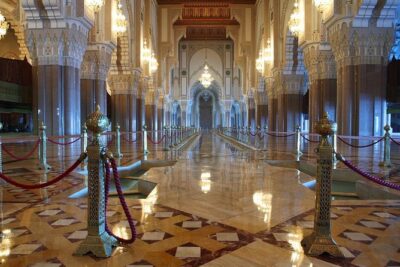
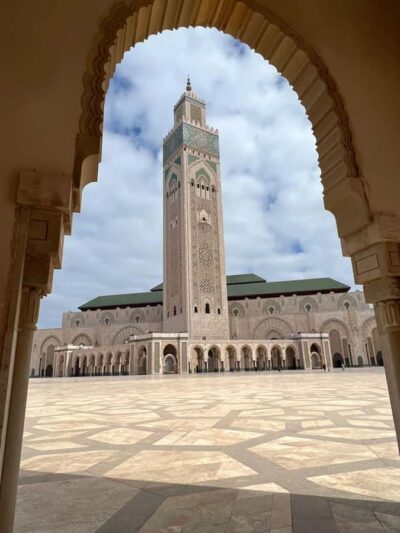
Casablanca is a strong place to start because the first day gives you an iconic anchor sight and then a fun evening idea. You’ll be welcomed at Casablanca Mohammed V International Airport, and you’ll head right to the Hassan II Mosque, where non-Muslims can visit. The guide provides context for religious traditions and rituals as you tour.
If you’re a movie fan, you’ll also have the option to make a night out of it at Rick’s Café. It’s set up to recall the film Casablanca and it’s located in an old courtyard-style mansion near the Old Medina. The key detail: the tour notes that dinner there needs prior booking, so if you want it, plan early.
Practical tip: dress for indoor mosque rules (covered shoulders and neat clothing). Even when non-Muslims can enter, you’ll still want to respect the setting.
Day 2 in Meknes to Fez: Wine Country Farm Moments and the Royal Medina Stops
Day 2 shifts from Morocco’s big city energy into something calmer, then ends with Fez. You’ll start with a wine-tasting experience near Meknes, tied to the vineyards of the region. Morocco’s wine culture is small compared to Europe, so this stop feels like a “wait, this exists?” moment, especially when the day’s bigger stops are medieval gates and royal tombs.
After the tasting, you can spend time at a farmhouse. The tour describes options like lunch and a relaxed afternoon with sampling, or a picnic style break. Then you move into Meknes highlights with an official guide at Dar Jamai Museum, housed in a former palace complex that includes a mosque, a hammam, and gardens. You’ll also pass through the legacy of the Almoravids and see a 14th-century Muslim religious school area.
From there, it’s classic Meknes architecture: Bab Mansour Gate, the grand gate facing El Hedim square, and then the Mausoleum of Mouley Ismail. The outside is impressive, but the interior details are the real draw, with mosaic work, fountains, carved cedar ceiling, and carpeted floors. The tour also notes a non-Muslim limitation for the hall where the sultan’s remains are, so expect to enjoy the decorated areas you are allowed to access.
You finish in Fez with a panoramic stop. That matters because Fez can feel overwhelming on first contact. A view from a café helps you “get your bearings fast,” then the medina day becomes easier to handle.
Day 3 in Fez: Medina Labyrinth Time, Tannery Views, and Madrassa Art
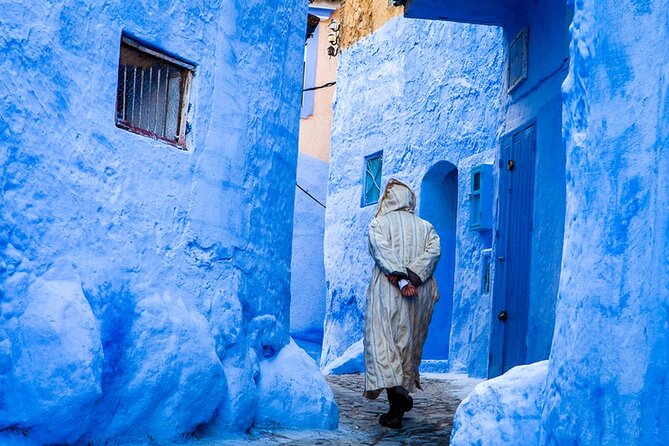
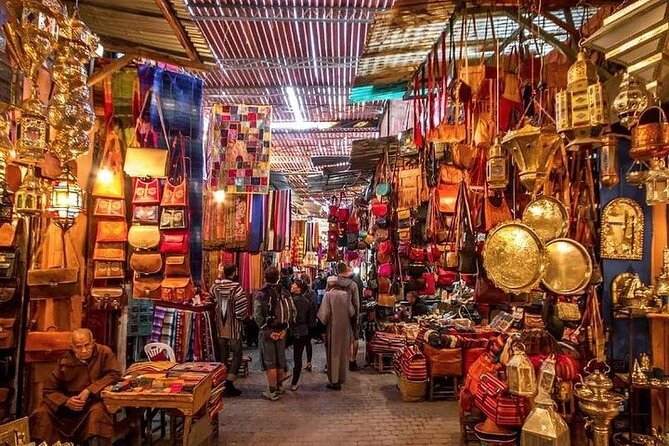
Fez is where this tour earns its keep. You’ll have a private guide dedicated to the medina, and that changes the whole experience. Instead of drifting among vendors and alleys, you’ll get a guided sense of where you are, why each corner matters, and what traditions have kept going. The tour frames the medina as a World Heritage Site with thousands of streets and a history tied to learning, and the guided approach helps you make sense of that scale.
You’ll also pass the iconic Chouara Tannery, one of the most famous spots in old Fez. It’s dye-pool and workshop energy. The tour suggests that where you stand changes the price, so if you want a better value view, try not to default to the most expensive picture-perfect spots. You’re looking for the contrast of colors, the craftsmanship, and the sense of how long this process has run.
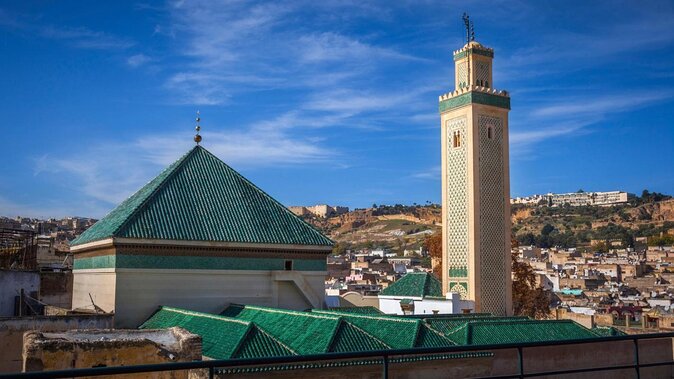
Next come the religious learning sites, and here the details matter because access rules can be confusing. Al-Attarine Madrasa is described as a pearl of medieval Moorish architecture built in the 14th century, and the interior decoration is part of the payoff. Bou Inania Medersa (from the Merinid dynasty) is another key stop, with traditional style and a strong educational and religious role in its early years.
The tour also mentions the Karaouine Mosque. Non-Muslims cannot enter, even if doors may be open to look from inside. If you’re hoping for full access, this is where expectations should be managed. Your best approach is to treat it as an exterior or partial view stop, then focus your “real inside time” on the medersas you can enter.
Day 4 in the Middle Atlas: Ifrane, Cedar Forests, and a Cheese-and-Honey Stop
Day 4 brings a different Morocco feel: cleaner air, tall cedars, and small villages tucked into the Middle Atlas. You’ll head toward Ifrane and the cedar forests around Azrou, with time for scenery and nature walks. The tour emphasizes calm atmosphere and native forest scents, and it also points to springs and waterfalls in the area.
This day also includes a farm stop for home-made cheese and organic honey tasting. Food breaks are underrated on long road trips, and this one helps you reset. Instead of another “look, take a photo, move on” stop, you get a grounded, everyday interaction point: how people live in these regions, and what local producers make.
If you’re sensitive to long drives, this is one of the better days to break them up. It gives you a steadier rhythm, with nature doing some of the heavy lifting.
Day 5 toward Merzouga: Ziz Valley Views, Fossils at Erfoud, and Camel Sunset
The route into the Sahara is one long build-up, and the tour makes it feel intentional. You’ll make a brief stop in Midelt for mountain scenery, then continue to the Ziz Valley, described as one of the largest oasis areas. The drive through palm-covered zones feels like a shift from Atlas to desert edge.
At Erfoud, you’ll see the connection between the land and deep time through fossil excavations, including trilobites. The tour notes the idea that the Sahara floor was once an ocean bottom. Even if you’re not a geology fanatic, this stop helps you “read” the terrain differently.
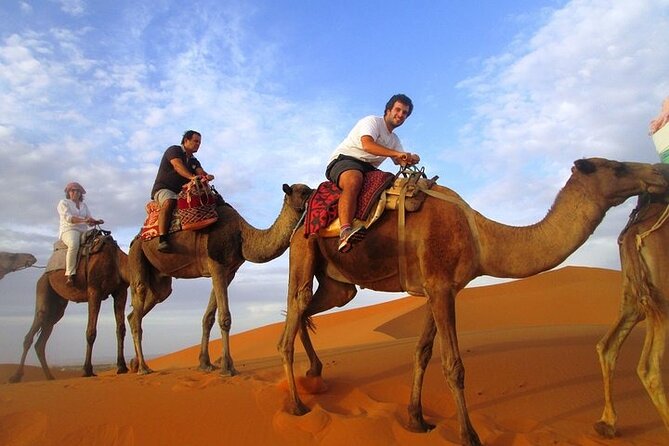
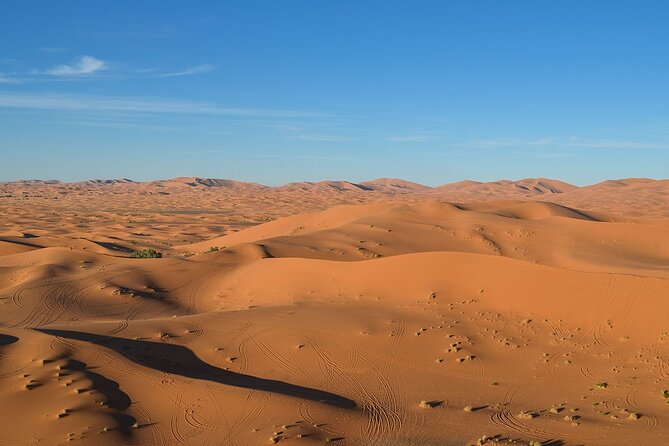
Then you arrive in Merzouga Desert. You get a welcome Moroccan tea, and then adventure options show up before the desert quiet takes over. The tour mentions activities like quad bikes and challenges for those who want it, then it pivots to camel time. Your camel ride is about an hour, and it’s positioned as a way to reach desert oases and see the dunes.
The UNESCO part matters because Merzouga dunes are not just a backdrop. You’ll also catch sunset from a dune top, which is the kind of moment that justifies the drive. That night is the big one: you sleep under stars in a luxury nomad tent (the tour calls out a Berber tent style night), which turns the desert into more than a daytime photo stop.


Day 6: Todra Gorges and Dadès Valley to Skoura Palms, Roses, and Oasis Living
Day 6 follows the desert night with a quick reset into dramatic rock. The tour says you can wake to cold desert light and climb to a dune top, then you move to the Todra Gorges. The Todra description is specific for a reason: towering cliffs up to about 600 meters, with walls separated around 10 meters, stretching for kilometers. It’s the sort of place where the scale hits you as you walk closer.
After Todra, you pass through Dadès Valley, where you’ll hear birds and enjoy the green contrast compared with the desert. Then it’s Boumalne Dades, followed by Skoura and the surrounding palm oasis area. The tour also ties this region to roses and mentions Kalaat Mgouna, often called the City of Roses. Even if you are traveling outside peak rose season, the stop gives you a sense of how the land produces and seasons life here.
Skoura is where the tour slows down a bit by placing you in a lovely lodging for the night and wrapping the day with oasis calm.
Day 7 on the Kasbah Route: Ouarzazate, Ait Ben Haddou, and Marrakech’s Jemaa el-Fna Dinner
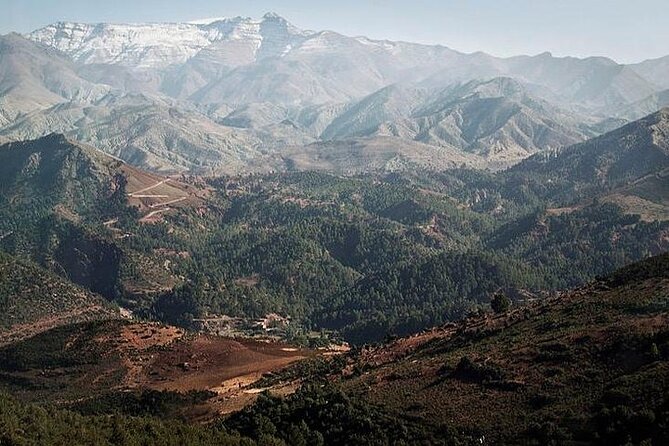
Day 7 is about shifting from “valleys and dunes” to “history carved in walls.” You’ll travel the Route of the Thousand Kasbahs, with stops that connect villages and kasbah architecture. The tour mentions Skoura and El Kelaa des M’Gouna village areas, then heads to Ouarzazate.
In Ouarzazate, you’ll discover fortified areas like Kasba Taouirt and nearby palace and defensive structures referenced in the day’s description. The tone here is time travel, even when you’re still on a modern road trip. Then you go to the star stop: Ait Ben Haddou.
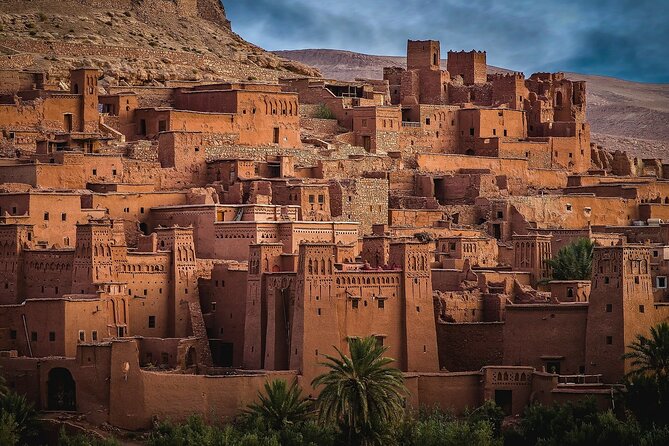
Ait Ben Haddou is UNESCO-listed, and it’s also a well-known film set. The tour specifically mentions movies and shows like Gladiator and Game of Thrones as examples of where the location has appeared. When you see the kasbah up close, you understand why: it holds attention even when you’re not thinking about film.
You end the day in Marrakech, with dinner at Jemaa el-Fna square. This is the Morocco “street life” moment, with smells, music, and people mixing as they dine. The tour highlights Moroccan street cuisine like tagine and couscous, and you’ll also see the tea and sandwich culture right there in the square.
Tip: Jemaa el-Fna is popular for a reason, but it’s also a place where you’ll want patience and a light approach. Eat, watch, then step back when you want quiet.
Day 8 Marrakech With a City Historian: Bahia Palace, Ben Youssef, Majorelle, and Koutoubia
Marrakech can swallow a trip whole if you don’t have structure. This day helps because you’re accompanied by a dedicated city guide/historian. That means you’re not just shopping for spices and trying to memorize names. You’ll be walking through major sites with explanations that connect architecture, religion, and art.
The day includes Bahia Palace, Ben Youssef Medersa, Koutoubia Mosque, Jardin Majorelle, and the Musée Yves Saint Laurent Marrakech. Some entrances are not included, but even knowing that upfront, you’ll appreciate why they’re worth considering.
- Bahia Palace is described as 19th-century, with opulent rooms, a central courtyard, and gardens.
- Ben Youssef Medersa is the 12th-century Islamic faculty turned museum, and the interior decoration is the big draw.
- Koutoubia Mosque is one of Marrakech’s most photographed monuments and a model mentioned in relation to the Seville Giralda.
- Majorelle Gardens are the botanical garden associated with Yves Saint Laurent, with exotic plants from around the world.
- YSL museum adds another layer, with a building that mixes modern design and traditional touch.
Even if you skip some entrances to save money, this day still gives you solid “big picture” context. It’s also a smart day for photos, because the sites are concentrated and you’re with a guide to keep you moving.
Day 9 Marrakech Free Time Plus Key Monuments: Saadian Tombs, Menara, Almoravid Koubba
Day 9 gives you freedom inside the city. You get a free day to explore Marrakech, and you have the optional idea of a hot air balloon flight over Marrakech and the Palmeraie, with prior booking. That option is worth filing away early, because balloon seats can fill.
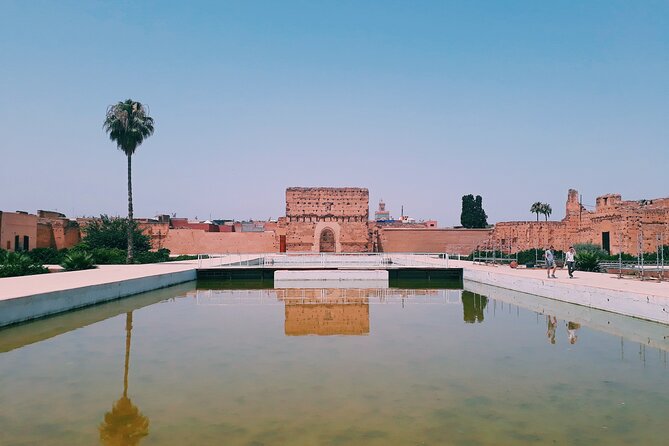
When you want structured stops again, the tour continues with major monuments: the Saadian Tombs, Menara Gardens and Pavilion, Almoravid Koubba, and Dar El Bacha (also described as Musée de Confluences). These are good choices if you want variety from palace interiors.
- Saadian Tombs connect to 16th-century royalty, and the tour notes a later discovery year, which adds a little surprise to the story.
- Menara Gardens sit a couple of kilometers from Jemaa el-Fna and are a favorite local walk area.
- Almoravid Koubba is a rare early structure from the 12th century with a distinctive roof and a cleaning reservoir before prayer.
- Dar El Bacha rounds it out with architecture and the chance to pause for coffee in a special cafeteria setting.
If you like photos but also like breathing space, day 9 is a good balance. You get time to roam, then time to anchor with meaningful stops.
Days 10 and 11: Essaouira Coast for Argan and Fish, Then El Jadida’s Portuguese Cistern
After Marrakech, the trip shifts to ocean air. Day 10 is dedicated to Essaouira, a coastal town described as multicultural and known for arts and music. The tour notes a maritime smell that stays in the medina and highlights what you’ll eat: fresh fish and argan oil, described as a roasted, nutty oil similar to olive oil.
If you care about authenticity, Essaouira usually feels easier than the inland cities. It’s still medina energy, but the coast changes the tempo. You’ll spend a full day, which helps because it’s not just a drive-by.
Then day 11 moves to El Jadida, a small port city with Portuguese influence and UNESCO status. The highlights here are more architectural and historical: a Manueline cistern built by Portuguese in 1514, plus the chapel of S. Sebastião and a façade of the Our Lady of the Assumption church in Manueline style (the tour notes the façade is recently recovered, but the inside is not accessible).
El Jadida is also positioned as a relaxed addition after time in the Essaouira area, which keeps you from feeling like you’re constantly marching to the next photo.
Price and Value: What You Really Get for $4,548.23 Per Person
At $4,548.23 per person, this is not a budget trip. It’s a luxury private tour, and that price buys you three big categories of value.
First, you’re paying for private transportation with air conditioning plus a permanent guide over long days. That’s the difference between “traveling” and “getting transported.” Second, your lodging is positioned as 5-star with breakfast, plus a desert overnight in a luxury nomad tent. Third, you get guided time in key places, especially in Fez and Marrakech where the tour emphasizes dedicated city guides.
What’s not included is also clear, and that’s important for budgeting. Entrance fees are separate for several major sites. Based on the listed per-person fees, entrance costs come to about 79 euros total if you choose every listed ticket. Meals are mostly not included, except for dinners noted as included and breakfast noted for 11 days. Drinks, snacks, lunches, and other dinners stay in your hands.
So is it worth it? If you want the Sahara night plus private guiding and comfortable lodging, yes, this pricing starts to make sense. If you’re mostly fine with train and shared tours, you can spend less. But you’ll also give up the comfort factor and the “someone else handles the moving parts” service that makes this itinerary easy to enjoy.
One more value point: the company has a strong reputation in past trips, with a recurring theme of dependable guides and helpful drivers, including names like Radouan, Aissa, Youssef, Jamal, Rachid, Abdel, Issa, Momo, and Idir, plus responsive customer support like Alexandra and Leonor. That track record matters when your schedule depends on smooth daily handoffs.
Should You Book This Private Luxury Morocco Tour?
Book it if you want Morocco in a structured, high-comfort way, with a private group and a guide who helps you get past the confusion parts. This tour is especially suited to people who care about the Sahara night, want real guided time in Fez and Marrakech, and prefer air-conditioned driving over hop-on, hop-off logistics.
Skip it or rethink if your travel style is super flexible and you love designing your own route. Also consider that some religious sites have limited access for non-Muslims, so you should plan your expectations around what you can enter and what you can only view.
If you want a smooth, luxury version of Morocco, this one is built for you.
The Private and Premium End
- 7 Days Luxury Desert Tour From Casablanca to Marrakech via fez -Camel trekking★ 5.0 · 146 reviews
- 10 Days 9 Nights Luxury Tour of Morocco★ 5.0 · 42 reviews
- 8D Morocco Luxury Private Tour From Casablanca By Imperial Cities★ 5.0 · 39 reviews
- Morocco Top Trips: Luxury 10-Day Private Tour in Morocco★ 5.0 · 36 reviews
Added recently from around Casablanca

More VIP worth a look.
 ★ 4.9Majestic Desert: 3-Day Luxury Journey from Marrakech to FesFrom $1381,437 reviews
 ★ 4.6From Marrakech: 3-Day Desert with luxury camp, camel & meals922 reviews
 ★ 4.7Marrakech: 3-Day Desert Trip to Merzouga with Luxury Camp887 reviews
 ★ 4.7From Fes: 2-Day Merzouga Desert Trip w/Luxury Tent & DinnerFrom $142844 reviews
 ★ 5.0Experience Luxury in Zagora: 2-Day Desert AdventureFrom $107651 reviews
 ★ 5.03-Day Tour from Marrakech to Merzouga Luxury Camp with CamelFrom $173601 reviews
 ★ 5.0luxury 4 Hour Private Tour of TangierFrom $107455 reviews
 ★ 4.9Luxury day trip to Essaouira from MarrakechFrom $34428 reviews