
REVIEW · CASABLANCA
10 Days from Casablanca: The Best of Morocco
Ten days is long enough to feel Morocco change. This route strings together imperial cities plus Atlas Mountain roads, then finishes with the Sahara in a way that feels both classic and practical. You start in Casablanca, work inland through Rabat, Fes, and Meknes, then swing south to Erg Chebbi dunes before reaching Marrakech.
Two things I really like about this tour are how much face time you get in the old cities, and how the big moments are handled by experts. In Fez and Marrakech, you have local guides for the key cultural sites, plus the itinerary includes panoramic viewpoints so you understand what you are seeing. For the desert part, you get a luxurious camp, a camel ride to sunset, and an early-morning plan for the dunes.
One consideration: the trip is packed with long drive days and early starts, including a very early wake-up for sunrise in the sand. If you hate “on the move” travel, this itinerary can feel intense.
In This Review
- Key highlights you will feel fast
- Casablanca first night, then Hassan II Mosque
- Rabat to Chefchaouen: royal sites plus blue city wandering
- Volubilis mosaics and Meknes gates before Fez
- Fez medina: the full morning plus views
- To Merzouga the scenic way: Ifrane, cedars, Ziz Valley, dates
- Erg Chebbi at sunrise, then Todra Gorges and Dades Valley
- Marrakech via Ait Ben Haddou and the Tizi n’Tichka Pass
- Marrakech highlights: medina landmarks, Majorelle Garden, and Jamaa El Fna
- What the $1,269 price buys you, and what to budget for
- Should you book 10 Days from Casablanca, The Best of Morocco?
- FAQ
- Where does the tour start, and is airport pickup included?
- Is this a private tour?
- What is included in the Sahara Desert experience?
- Are entrance fees and local guides included?
- What meals are included?
- What is the cancellation policy and what if weather affects the desert?
Key highlights you will feel fast
- Hassan II Mosque visit in Casablanca, including museum time and a big-picture look at Moroccan faith and art
- A real day in Fez medina, with major sites and a panoramic view option for context
- Erg Chebbi sand dunes with camel sunset and a sunrise plan, plus a comfortable desert camp
- Atlas Mountains driving via Tizi n’Tichka Pass (2260m) and stops built for photos and views
- Marrakech with both medina and modern areas, plus time at Jamaa El Fna Square and Majorelle Garden
- Private tour setup, with an airport pickup and your own guide/driver team for the whole trip
Casablanca first night, then Hassan II Mosque
Casablanca is your entry point, and it sets expectations right away. You land at Mohamed V Airport, meet your Deep Morocco Tours guide or driver, then head to the city.
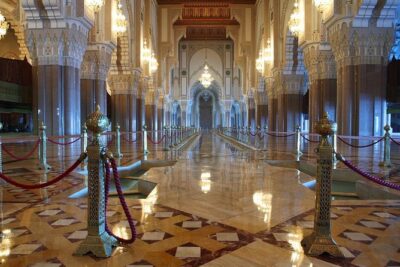
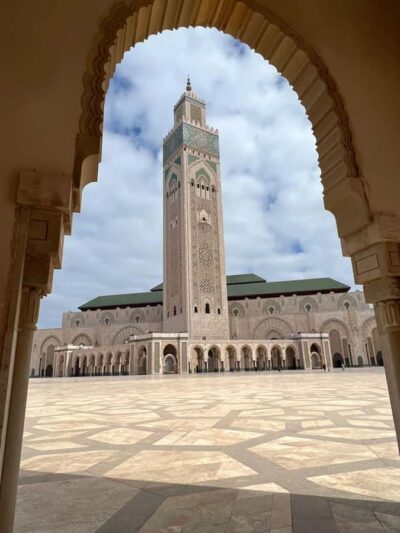
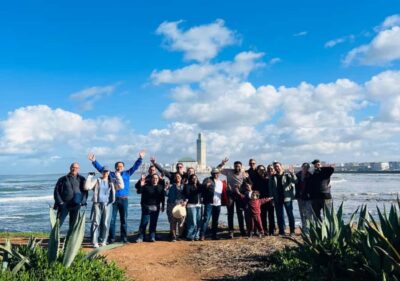
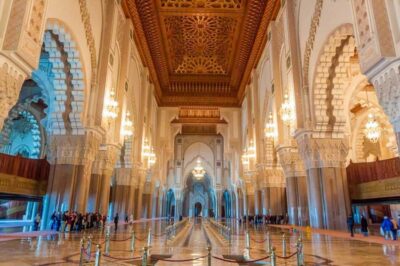
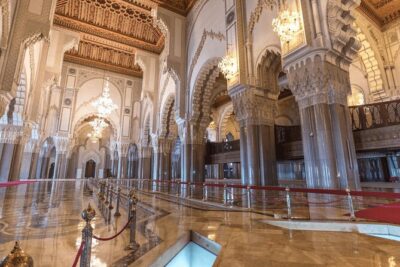
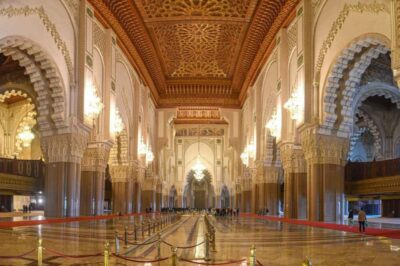
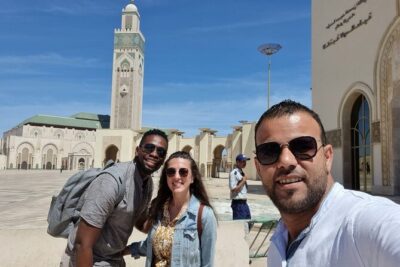
The big hit is the Hassan II Mosque visit. It is the largest mosque in Morocco, and it has a minaret that is 689 ft, about 60 stories tall. The site can hold 105,000 worshipers, with 25,000 inside and 80,000 outside, so even if you come at a quieter time, the scale still hits you. You also get museum time focused on Moroccan Judaism, which helps you see Morocco as layered, not one-note.
I also like that the day is not only architecture. You have time to soak in Casablanca’s vibe at your own pace after the formal visit, and the itinerary even suggests a stop at Rick’s Café if you want a familiar, easy dinner option nearby.
More of Casablanca, mosque visit included
- Casablanca: Hassan II Mosque Premium Tour with Entry Ticket
★ 4.5 · 2,971 reviews - Casablanca City Tour with Hassan II mosque ticket
★ 5.0 · 2,480 reviews - Casablanca: City Tour with Hassan II Mosque Entry Ticket
★ 4.6 · 1,137 reviews - Private Tour of Casablanca with Hassan II Mosque Entry Ticket
★ 5.0 · 1,102 reviews
Rabat to Chefchaouen: royal sites plus blue city wandering
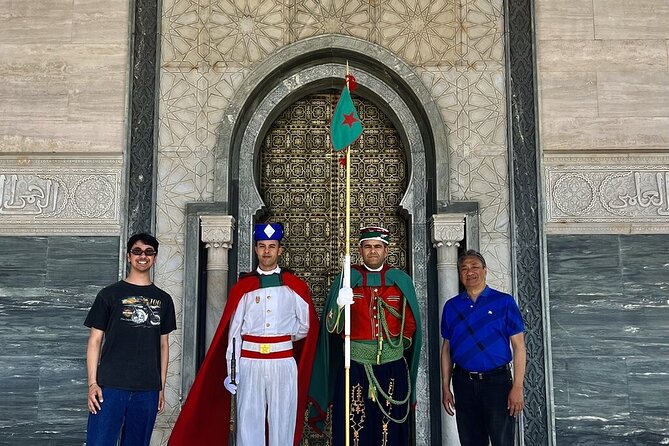
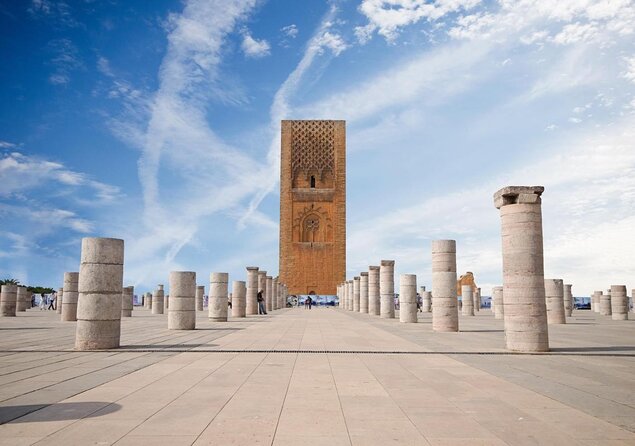
After breakfast, you drive to Rabat, the administrative capital. Here you get the Hassan Tower and the Mausoleum of Mohammed V, plus the Shallah and Oudays Kasbah. Hassan Tower is unfinished, tied to the Almohad dynasty era, and it is guarded by royal guards in elaborate dress. That detail matters because it changes the feel from sightseeing to witnessing tradition.
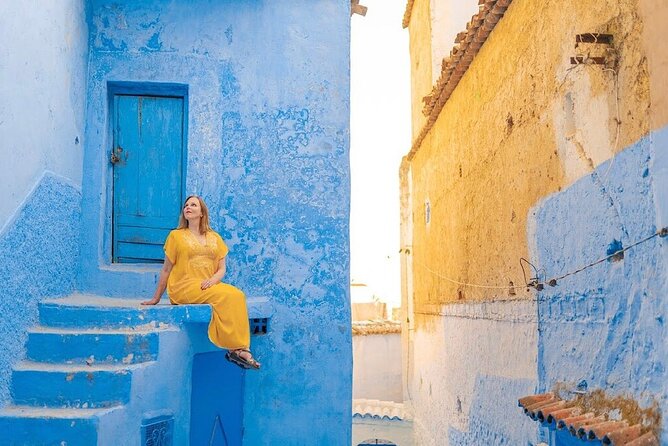
Then you keep climbing toward the Rif Mountains and reach Chefchaouen. This is where you start feeling the contrast of the trip, because Chefchaouen is known for white-washed walls and blue doors and windows. The itinerary also notes the city’s Spanish occupation history, which helps explain why the town feels distinct compared with many other Moroccan stops.
Practical note: Chefchaouen is famous for being photogenic, which means it can also be busy in hotspots. I suggest you take your photos, then slow down and let the quieter side streets do the work. Blue walls make everyone feel like they are in a postcard, but the real win is walking with no rush.
Volubilis mosaics and Meknes gates before Fez
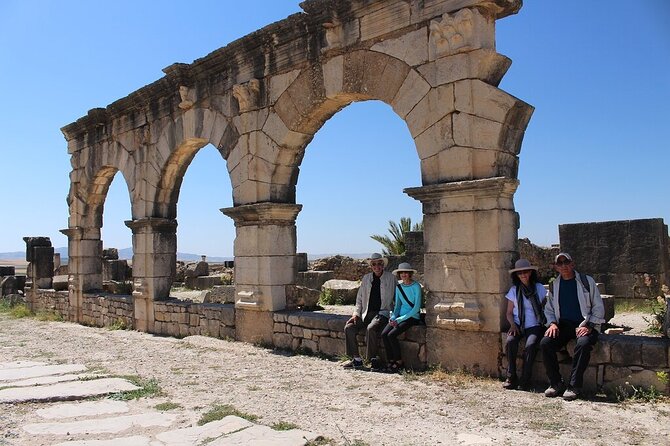
On the way from Rabat toward Fes, the tour builds in a cultural stop that many people skip: Volubilis. This Roman site dates to 225 BC and is known for exceptionally preserved mosaics from the 3rd century BC. Having a guided tour here is a big help because Roman ruins can look like stone piles until someone connects the dots.
After Volubilis, you continue to Meknes, the Ismaili capital. The itinerary focuses on recognizable royal-era landmarks: Bab Mansour, the granary, and the Sahrij Souani irrigation basin. You also visit the Mulay Ismail Mausoleum, which brings the story into a more personal, memorial kind of space.
Then it is onward to Fes, and that matters. You are not arriving in Fes on day one, when jet lag is still a factor. The in-between stops break up the drive and help you understand how Morocco’s layers evolved, from Roman influence to dynastic power to the medina world you are about to enter.
Fez medina: the full morning plus views
Fez is the spiritual city of Morocco in this itinerary, and it gives you a proper schedule for it. You spend the whole morning exploring the medina and its alleys, with cultural and historical sites that shape how you read the city.
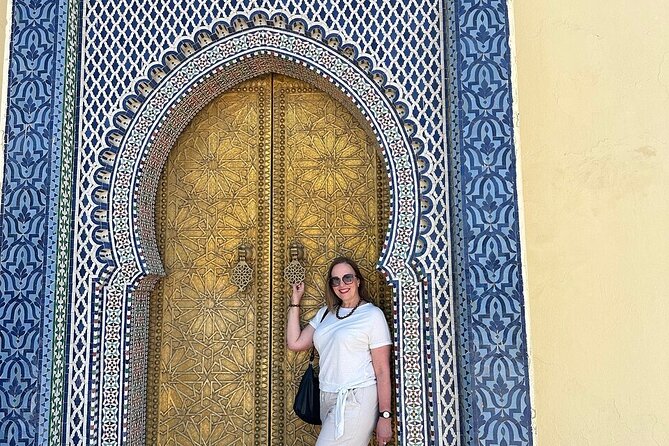
You visit the Jewish quarter, the Al Karaouine Mosque and University (mentioned as the oldest in the world in this itinerary), and the Madrasa Bouanania. You also see the tanneries and the Najjarine fountain, which are the kinds of stops that give you senses, not just facts. After lunch, you drive outside the medina to view the Royal Palace gate, then you go back through the Mellah area and end with a pottery cooperative.
The panoramic viewpoint later is smart. Once you have walked the medina lanes, it is easy to get lost in the maze. A view of the whole Medina helps you connect directions and distance, so you feel oriented.
A note based on how this kind of trip is run: medinas move at their own speed. Expect uneven pavement, crowds in busy times, and plenty of stairs. If you are comfortable with walking, you will love how this day makes Fez feel like a place you can understand.
To Merzouga the scenic way: Ifrane, cedars, Ziz Valley, dates
This is your long-distance transition day toward the desert, and it is planned with stops that keep the drive interesting. First you pass through Ifrane, called little Switzerland of Africa in the itinerary, which makes a striking contrast to the later sand colors. Then you stop in the cedar forest, described as the largest in Morocco, where you may even spot Barbarian apes.
From there the route continues through the Middle Atlas scenery and toward desert edges. You reach Er Rachidia, then the itinerary highlights the Ziz Valley and the Tafilalet date palm grove, tied to the Alaouite dynasty’s roots. These are more than “pretty stops.” They tell you why people settled where they did, because water and agriculture shape everything in Morocco’s south.
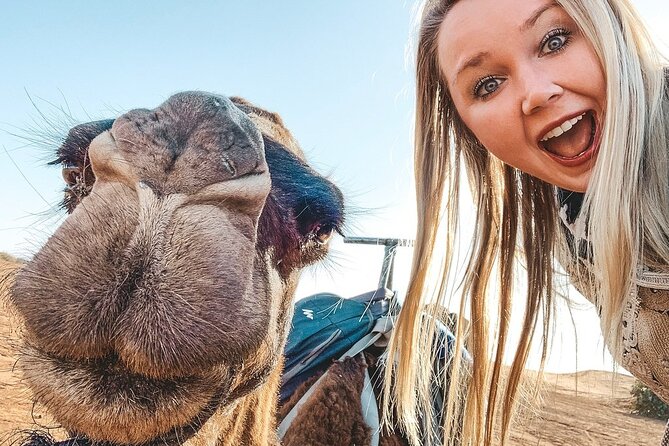
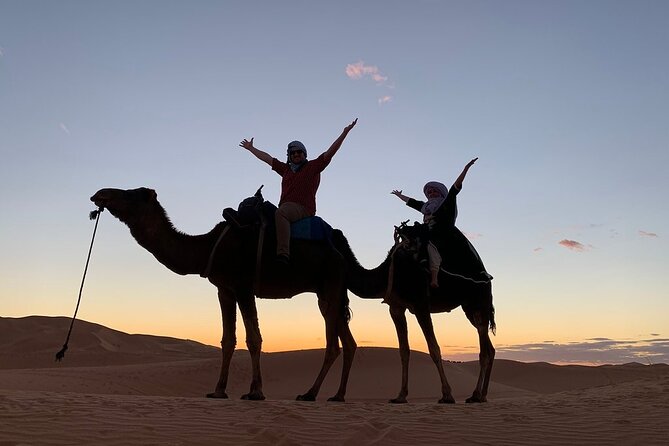
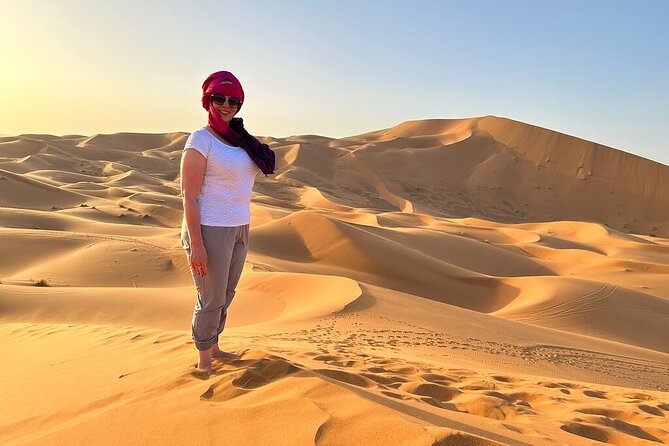
By the time you arrive in Merzouga, the day shifts from driving to doing. You mount camel rides with an experienced camel man to explore within the sand sea of Merzouga. This is one of those moments that feels both iconic and surprisingly physical, especially if you have never ridden a camel before.
Erg Chebbi at sunrise, then Todra Gorges and Dades Valley
Day six starts with an early wake-up to watch what could be the best sunrise of your life. The itinerary says you trek back to the village of Merzouga after breakfast at camp, and along the way you are meant to appreciate how the Erg Chebbi sand dunes change with the day’s light.
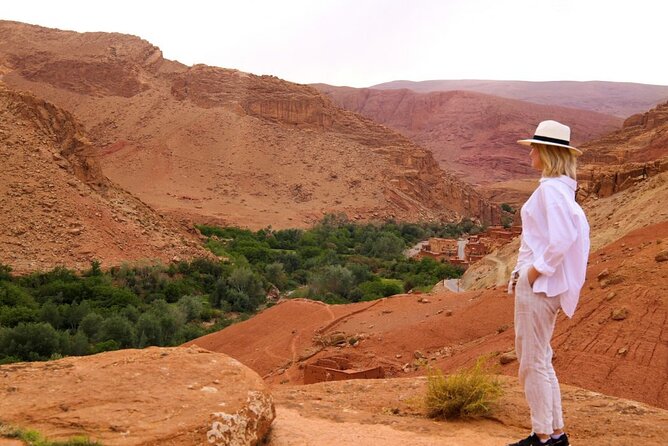
Then you head toward Tinghir and the Todra Gorges, described as the highest and narrowest gorges in Morocco. After lunch inside the gorge, you drive through the Dades Valley. This segment includes the famous rock formations nicknamed monkey toes, plus the “sand castles” effect that comes from how erosion has shaped the cliffs.
What I like here is the balance. A desert morning can make everything feel dreamlike, and then the gorge day brings you back to real stone, real scale, and real sound. If you love photos, this is a strong day. If you just want to feel Morocco’s variety in your body, it is equally good.


Marrakech via Ait Ben Haddou and the Tizi n’Tichka Pass
Crossing from the desert region to Marrakech is the long road that still feels meaningful because it is punctuated by landmark stops. You drive following the caravan trail route linking Marrakech with Timbuktu in Mali, which gives the day a sense of older travel paths, not just modern highways.
Your first major stop is Ait Ben Haddou. The kasbah here is associated with Et Hami El Glaoui, one of the last Berber chieftains, and it is packed with photo angles. Then the route heads over Tizi n’Tichka Pass (2260m) in the High Atlas Mountains.
The itinerary also schedules roadside stops for mountain views and an authentic Berber village built into the high Atlas range. You can take those in slowly, because you are not supposed to sprint through this part of the trip. It is a transit day with purpose.
Once you reach Marrakech, you are set up for the “old city meets big energy” phase.
Marrakech highlights: medina landmarks, Majorelle Garden, and Jamaa El Fna
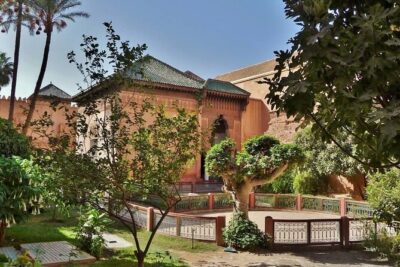
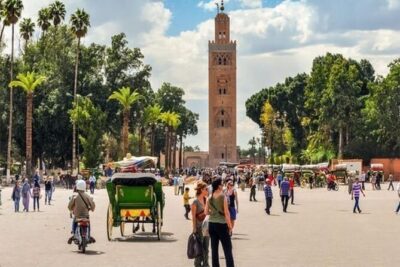
Marrakech day one is built around major landmarks with a guided morning. You see the Koutoubia Minaret, the Saadian tombs, the Palace of Bahia, and the Ben Youssef Koranic School. Then you walk through medina alleys with artisans at work, and the day ends near Jamaa El Fna Square.
Lunch is set near the square, and in the afternoon you go to Majorelle Garden. The itinerary also includes Gueliz, described as the new city area, which helps you avoid the sense that Marrakech is only one kind of street. After dinner, you get the option to walk through the square where you can see magicians, story-tellers, tooth pullers, and food sellers.
What you love in this structure is that you get both “big monuments” and “street-level Morocco.” The monuments teach context. The square teaches pace, sound, and everyday performance.
Day nine is your flexibility day in Marrakech. You can rest and relax, take a day trip to Essaouira, or arrange a cooking class and Hammam experience with the help of the tour team. That choice is valuable because not everyone wants more driving on their final days.
Finally, on day ten, you have time for last-minute shopping and a glass of mint tea by the square, then the tour ends at the airport where you met on day one.
What the $1,269 price buys you, and what to budget for
The headline price is $1,269 per person for an approx. 10-day program. That number matters, but the value comes from what you do not have to coordinate yourself.
Included items that reduce your stress:
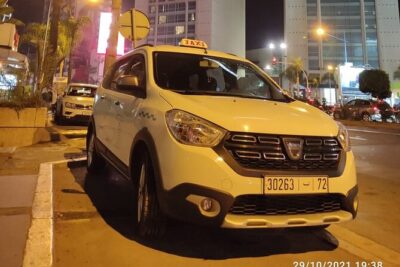
- Airport pickup and round-the-clock guide/driver service in an air-conditioned vehicle
- Accommodation listed as per itinerary or similar, including all breakfasts
- Entrance fees to historical sites as detailed in the itinerary
- Local guide fees where required for Fes and Marrakech
- Luxurious Sahara camp, plus camel ride to sunset
- VAT and tourist taxes
- Meals included as written: breakfast (9) and dinner (2)
Not included:
- Travel insurance and anything not mentioned above
I also think the guide quality is a big part of value. The supplied feedback highlights hosts like Said and drivers like Omar and Brahim, with mentions of safe driving and clear translation of history into everyday language. That matters because Morocco’s best moments often come from how you understand what you see.
One more practical point: this is a private tour, meaning it is for your group only. That usually raises comfort and flexibility, but it can also mean there are fewer chances to “share costs” like you might in a larger group tour.
Should you book 10 Days from Casablanca, The Best of Morocco?
I would book this tour if you want a classic Morocco sampler with enough structure to make the days flow, and enough variety to avoid repeat scenery. The best fit is people who like seeing major cities and also want the desert moment done properly, with camping comfort and a camel sunrise/sunset plan.
I would think twice if you prefer slow travel, because this itinerary is packed. If you hate early starts, or you get cranky after long car days, the sunrise dune wake-up and steady driving could wear you down.
If you book, you will get the most out of it by wearing comfortable shoes for medinas, planning for heat changes between desert and cities, and leaving your day-nine choice open so you can match your energy level. This kind of trip rewards people who treat it like a story with chapters, not like a checklist.
FAQ
Where does the tour start, and is airport pickup included?
The tour starts at Mohamed V Airport in Casablanca, Morocco, and the package includes airport pickup plus travel in a comfortable, air-conditioned vehicle.
Is this a private tour?
Yes. It is described as a private tour/activity, meaning only your group participates.
What is included in the Sahara Desert experience?
You get a luxurious camp in the Sahara Desert, a camel ride to the sunset, and the schedule also includes an early wake-up for sunrise in the desert dunes.
Are entrance fees and local guides included?
Entrance fees to the historical sites listed in the itinerary are included, and local guides’ fees are included where required for Fes and Marrakech.
What meals are included?
The tour includes all breakfasts as part of the accommodation, with breakfast (9) and dinner (2) included based on the package details.
What is the cancellation policy and what if weather affects the desert?
You can cancel up to 3 days in advance for a full refund. The experience requires good weather, and if it is canceled due to poor weather, you are offered a different date or a full refund.
Casablanca and the Mosque
- Casablanca: Hassan II Mosque Premium Tour with Entry Ticket★ 4.5 · 2,971 reviews
- Casablanca City Tour with Hassan II mosque ticket★ 5.0 · 2,480 reviews
- Casablanca: City Tour with Hassan II Mosque Entry Ticket★ 4.6 · 1,137 reviews
- Private Tour of Casablanca with Hassan II Mosque Entry Ticket★ 5.0 · 1,102 reviews
Added recently from around Casablanca

More Casablanca and the Hassan II Mosque worth a look.
 ★ 4.7From Marrakech: Casablanca Tour with Hassan II Mosque VisitFrom $284,756 reviews
 ★ 4.5Casablanca: Hassan II Mosque Premium Tour with Entry TicketFrom $162,971 reviews
 ★ 5.0Casablanca City Tour with Hassan II mosque ticketFrom $522,480 reviews
 ★ 4.8Casablanca Day Tour from Marrakech and Big Mosque VisitFrom $282,394 reviews
 ★ 4.6Casablanca: City Tour with Hassan II Mosque Entry TicketFrom $531,137 reviews
 ★ 5.0Private Tour of Casablanca with Hassan II Mosque Entry TicketFrom $521,102 reviews
 ★ 4.5Day Trip To Casablanca from MarrakechFrom $30972 reviews
 ★ 5.0Marrakech Day Trip with Camel Ride from CasablancaFrom $110740 reviews
Where else this one sits